If you are staring at that glowing amber “check engine” light on your dashboard, you are staring at a $1000 anxiety attack that hasn’t happened yet. Most drivers see that little icon and immediately feel their wallet getting lighter. It is a universal sinking feeling. But here is the truth. That light is not a death sentence for your car. It is actually a helpful, if slightly cryptic, invitation to a conversation. Modern cars are basically rolling data centers, and the language they speak is engine diagnostics. If you learn even the basics of how to translate those signals, you can stop small glitches from turning into catastrophic mechanical failures. It is the difference between a $20 sensor and a $4000 engine rebuild.
What Is Engine Diagnostics and Why Does It Matter?
In plain English, a diagnostic check is a digital health scan of your vehicle. Think of it as a stethoscope for the 21st century. Your car is constantly watching itself. It monitors everything from the temperature of the coolant to the exact mix of air and fuel entering the cylinders. When something drifts outside of the “normal” range, the car records a code. These tests are digital analyses of your vehicle’s computer systems and components. They aren’t just for when things go wrong. They are a window into the hidden life of your engine.
The Role of the Engine Control Unit
The brain of this entire operation is the Engine Control Unit, or ECU. It is a powerful computer that acts as a central hub for dozens of sensors scattered throughout the chassis. These sensors feed a constant stream of data to the ECU to detect anomalies before they become failures. If a sensor noticed a tiny drop in oil pressure or a slight misfire in cylinder three, the ECU would know instantly. It is proactive. It tries to adjust the engine timing or fuel flow to compensate, but eventually, it will trigger a warning to let you know it needs help.
Benefits of Catching Issues Early
Small problems rarely stay small. Catching a fault early is the best way to maintain peak fuel efficiency and prevent long-term engine damage. A faulty oxygen sensor might only cost a few bucks to swap, but if you ignore it, you could melt your catalytic converter. That is a massive bill you do not want. Regular scans also ensure you are ready for emissions tests. Nothing is worse than failing an inspection because of a “ghost” code that could have been cleared weeks ago.
What Are the Different Ways for Engine Diagnostics Today?
You have more options for checking your car than ever before. You no longer have to beg a mechanic just to tell you why a light is on. There are different ways for engine diagnostics that range from free local services to high-tech gadgets you can keep in your glovebox. The goal is to get the data into your hands so you can decide if the fix is a DIY job or a professional necessity.
On-Board Diagnostics with OBD-II Scanners
The most common tool for the home mechanic is the handheld OBD-II scanner. Every car built after 1996 has a standard port, usually hidden under the dashboard near the steering wheel. You simply plug the device in, and it reads the specific fault codes stored in the computer. These scanners are great for DIY enthusiasts to read and clear codes. They tell you exactly where the “hurt” is, such as a P0300 code for a random misfire. It is a fast way to skip the guesswork.
Smartphone Apps and Bluetooth Adapters
If you want something a bit more modern, you can use a Bluetooth OBD-II adapter. These tiny dongles plug into the same port but send the data wirelessly to your phone. Modern wireless solutions turn a phone into a real-time dashboard. You can see your boost pressure, fuel trims, and engine load while you drive. It makes the data feel much less intimidating. Plus, many apps will link directly to YouTube tutorials or parts stores based on the code they find.
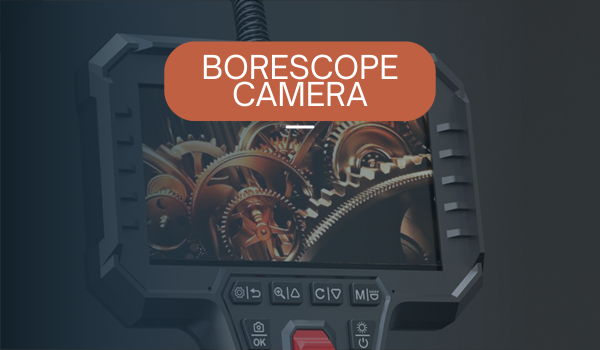
Sometimes, the computer cannot see everything. For mechanical issues deep inside the block, a quality borescope camera is an essential secondary tool. While the scanner tells you the “what,” a borescope inspection camera will inspect the “how” by letting you see inside spark plug holes or intake manifolds. Combining digital data with a visual look at the hardware is the ultimate way to confirm a diagnosis.
How Do Professional Shop Scans Compare to DIY Tools?
While a $50 scanner is great, it has limits. There is a reason professional shops spend thousands on their equipment. Professional vehicle scanning goes much deeper than just reading a code and turning off a light. A basic tool might tell you a sensor is “bad,” but a professional tool can tell you if the sensor is actually broken or if the wiring leading to it has a short circuit. It is the difference between a magnifying glass and a microscope.
Advanced Data Stream Analysis
Pros do not just look at the error code. They perform a deep car computer analysis by looking at live data PIDs, which are Parameter IDs. This is a live feed of every single thing the car is doing in real time. They can watch the oxygen sensor graph its voltage while they rev the engine. If the graph looks “lazy,” they know the sensor is dying even if it hasn’t tripped a light yet. This level of detail prevents you from “parts cannoning” your car, which is just throwing new parts at it and hoping something sticks.
Bi-Directional Control and Testing
This is the real “magic” of high-end shop tools. Most consumer scanners can only “listen” to the car. Professional tools can “talk” back. They have bi-directional control, meaning the mechanic can command the car to perform specific tasks. They can tell the computer to turn on the fuel pump, click an injector, or move a window motor. This allows them to test the functionality of a part without even taking it off the car. It saves hours of labor time and ensures the diagnosis is 100% accurate.
Which Symptoms Require Immediate Engine Diagnostics?
You shouldn’t wait for a light to act. Your car has a “voice,” and it uses sounds and feels to tell you when it is struggling. Learning to listen to these physical cues can save you from a breakdown on the side of the highway. If the car feels “off,” it probably is. Trust your gut and get a scan as soon as the symptoms start.
Interpreting Warning Lights and Dash Messages
Not all lights are created equal. A steady amber light usually means there is an emissions-related problem that needs attention soon, but it isn’t an emergency. However, a flashing “check engine” light is a major red flag. Check engine light meanings vary, but a flash usually indicates a severe engine misfire that could destroy your catalytic converter in minutes. If it flashes, pull over. You should also watch for messages about “Limp Mode,” which is the car’s way of protecting itself by limiting power.
Unusual Noises and Performance Drops
Physical signs are just as important as digital ones. If you hear a rhythmic knocking from the engine or feel a sudden sputter when you accelerate, it is time for a scan. Decreased gas mileage is another subtle hint that your fuel system is failing. These are the physical symptoms that engine diagnostics are designed to solve. When the computer sees these issues, it logs them, giving you a map to the fix before you end up stranded.
Get Your Vehicle Back on the Road
The days of the “mysterious” engine are over. You have the power to know exactly what is happening under your hood before you ever talk to a service advisor. Investing in a basic scanner is one of the smartest moves a modern owner can make. It takes the power back from the shop and puts it in your pocket. Whether you decide to fix it yourself or book a professional inspection, having the data makes you a more informed and confident owner. Your car is talking. It is time you started listening. Treat your vehicle like the high-tech machine it is, and it will keep you on the road for years to come. Turns out, that scary dashboard light was never really about the engine failing. It was about giving you the chance to save it.


